Every Drop Counts: Producing More with Less Water!
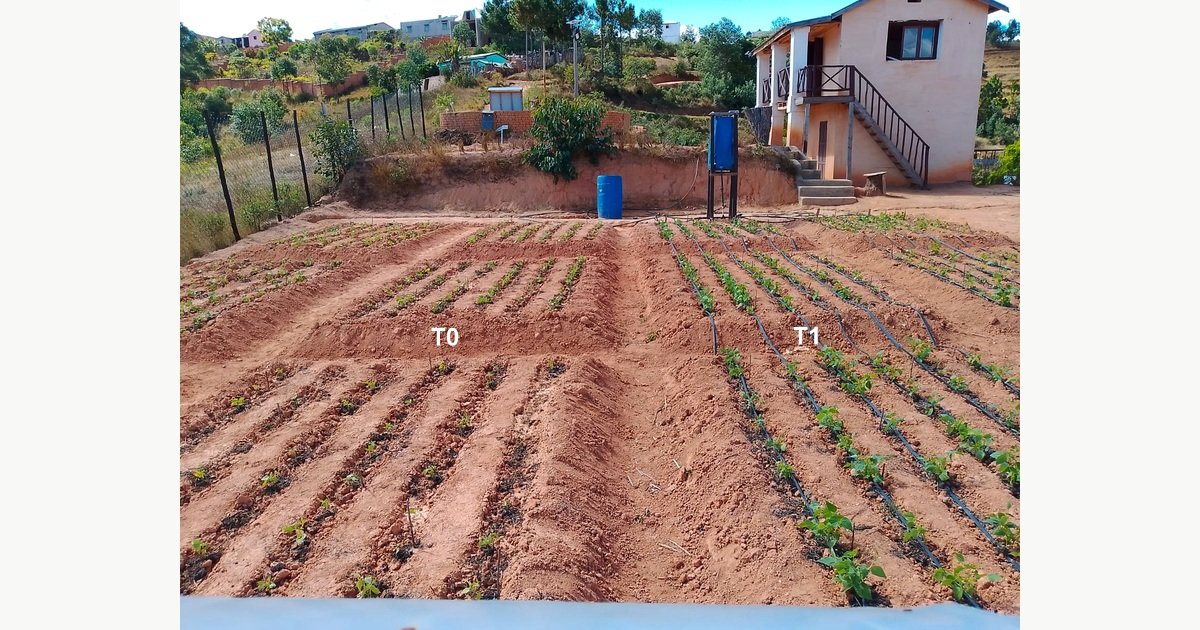
The experiment shows that drip irrigation reduces water application from 60 to 42 litres per plot while improving green bean growth and production. Yield reaches 2.29 t/ha, representing a 200% increase compared with manual irrigation.
13 Nov 2026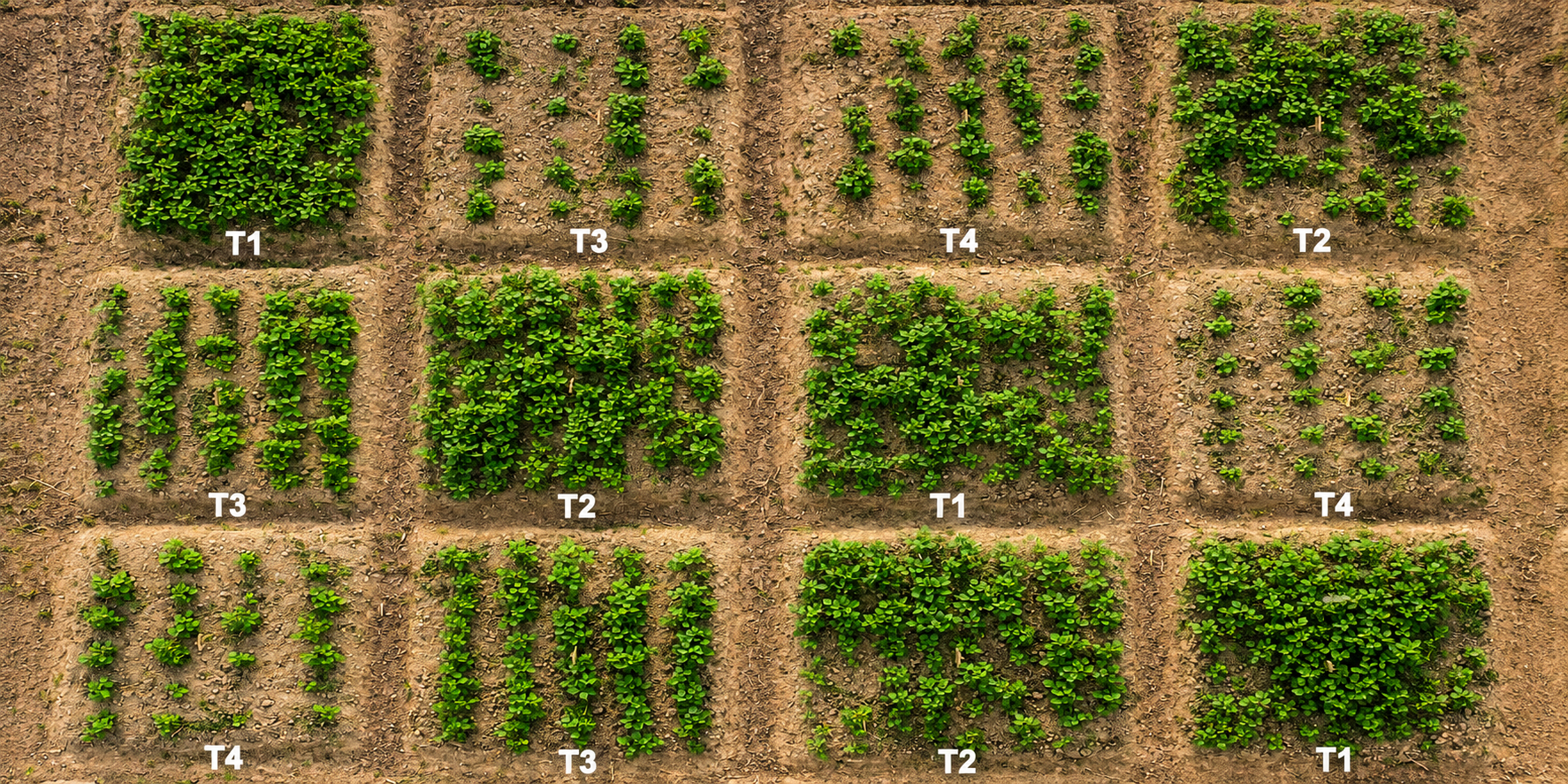
What is the ideal planting density for good green bean production?
A comparative study of four planting densities reveals differences in terms of growth, pod formation, yield, and health status. Discover why a moderate spacing of 25 × 50 cm has a positive influence on both productivity and product quality.
13 Nov 2026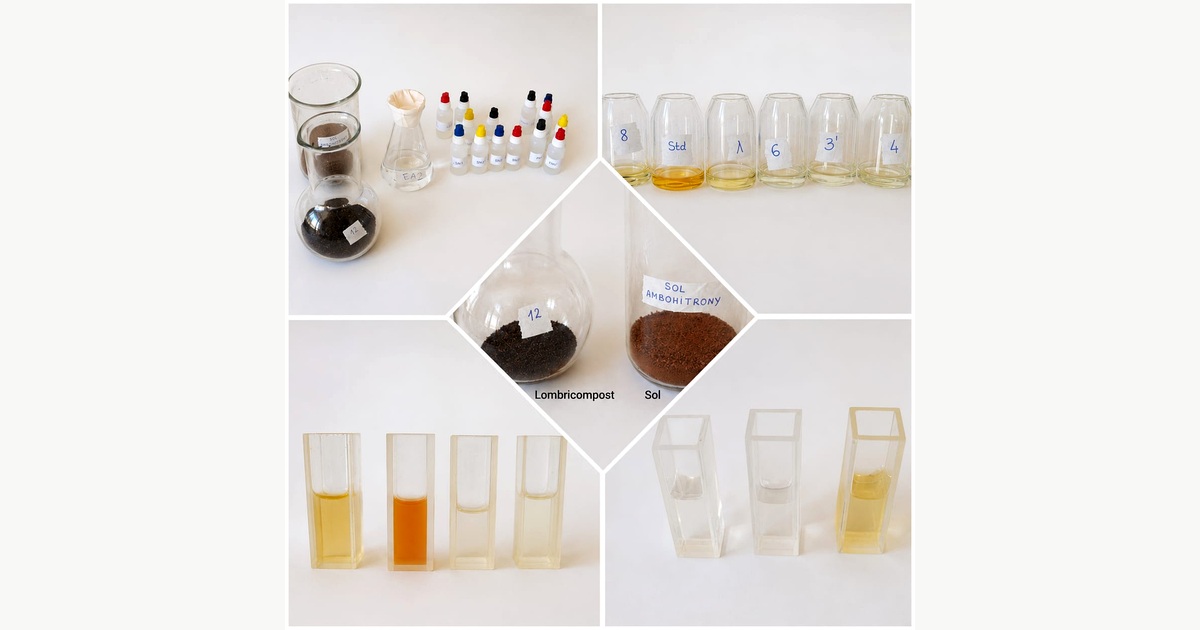
Getting to know your soil and fertilizers better From diagnosis to decision: an analysis for precision fertilization, resource conservation, and secure yields.
The Minimal Irrigation Project’s soil and fertilizer analysis laboratory has begun its initial testing operations to support agricultural research, provide advice to producers, and improve soil fertility management. Soil fertility is a cornerstone of agricultural productivity. Yet, two neighboring plots can exhibit vastly different levels of acidity, nutrients, and soil texture.
28 Sep 2026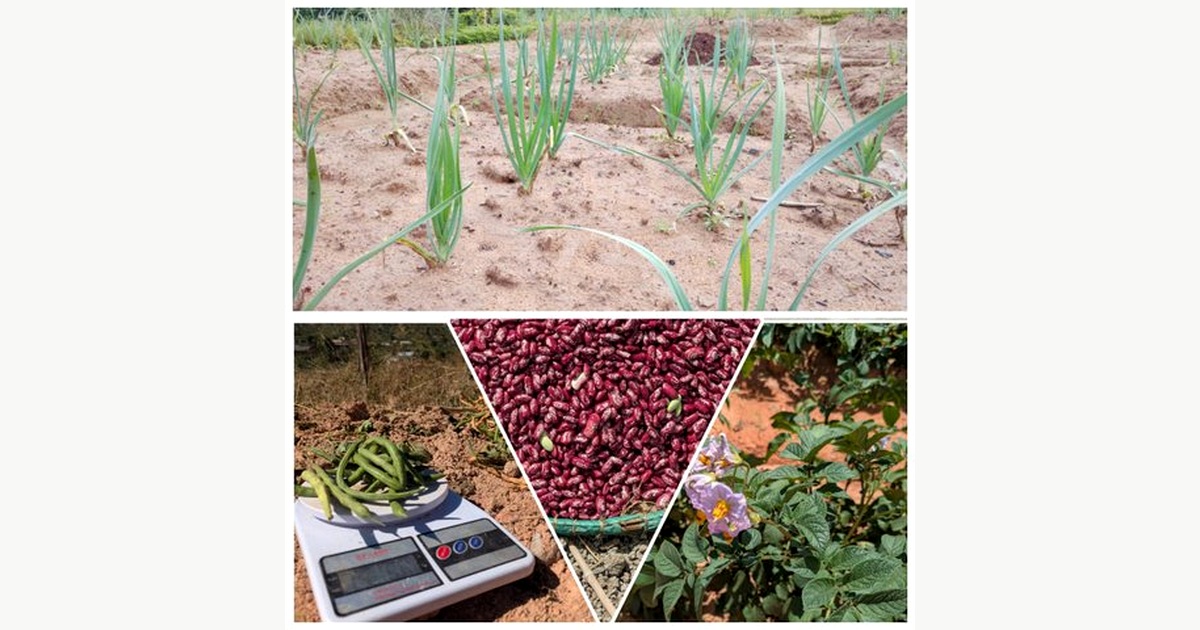
Newsletter – First-Half Activities 1 • January – June 2026
During the first semester of 2026, the Minimal Irrigation Project (MIP) intensified agricultural research conducted with and for farmers. In the first half of 2026, the Minimal Irrigation Project (MIP) intensified its agricultural research activities with and for farmers. The work focused on four crops—potatoes, green beans, dry beans, and leeks—across nine experimental sites located in three regions of Madagascar.
26 Aug 2026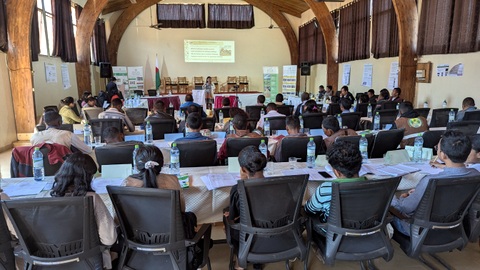
MINIMAL IRRIGATION PROJECT Newsletter: MIP 2025 Meeting – Review & 2026 Launch A meeting for development with and for farmers
Following three years of collaboration with over 500 farming households, the Farming & Technology for Africa (FTA) project—in partnership with the Ministry of Agriculture and Livestock and ESSA—organized this gathering. At the heart of the MIP 2025 meeting, participants explored and discussed several key themes derived from field-based research. These presentations highlighted concrete results that producers can directly apply, while fostering dialogue among researchers, technicians, and farme
27 Jul 2026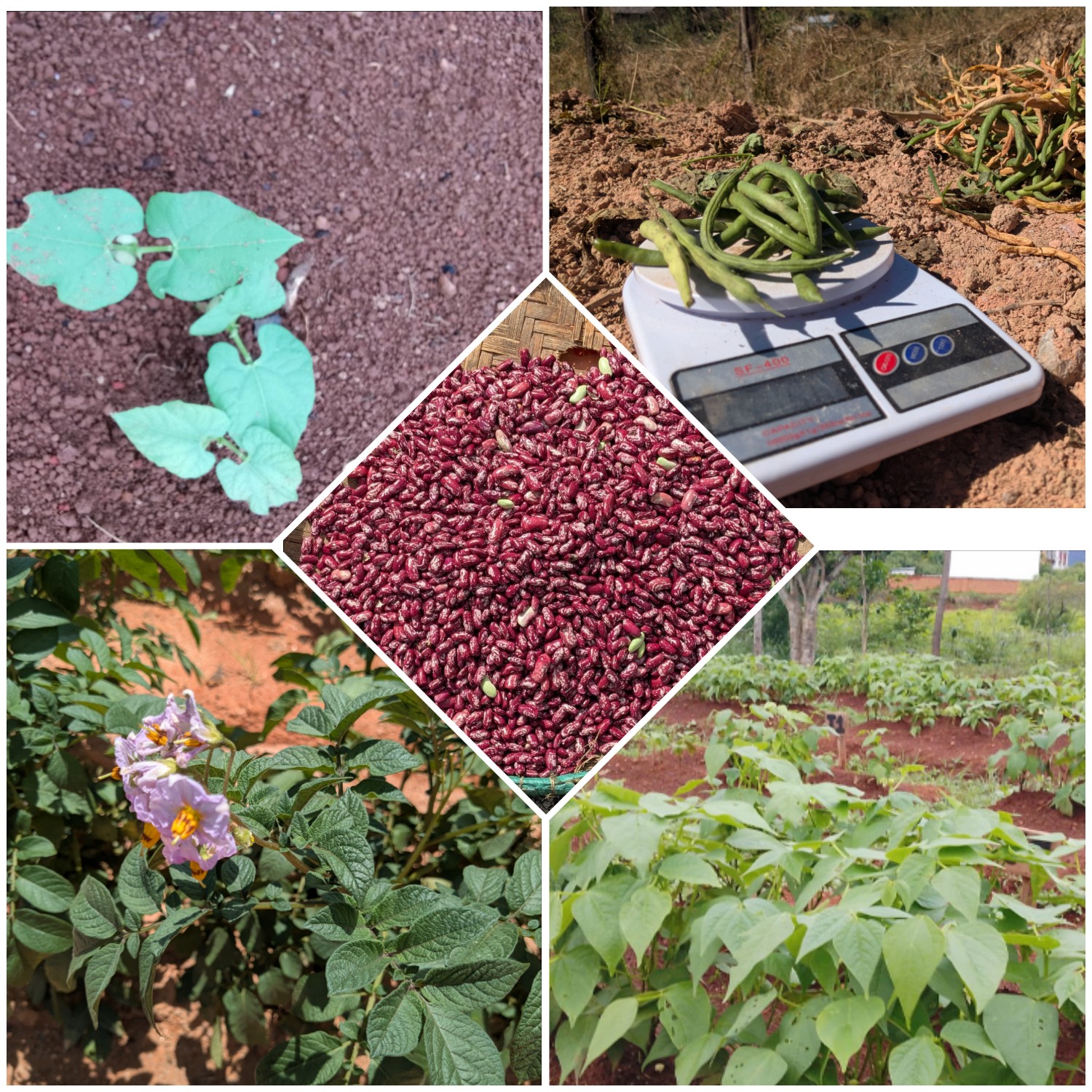
Our 2026 research activities
The warm and rainy cropping season ended with the green bean harvest at the Ambohidray research site in the Analamanga Region. Research focused on optimizing green bean planting density, evaluating ridge cultivation, identifying the causes of leek leaf dieback, and comparing organic and mineral fertilization in potato production. Key findings showed that 20-cm ridges combined with appropriate fertilization significantly improve bean yields, leek leaf dieback results from multiple interacting fa
10 Jul 2026